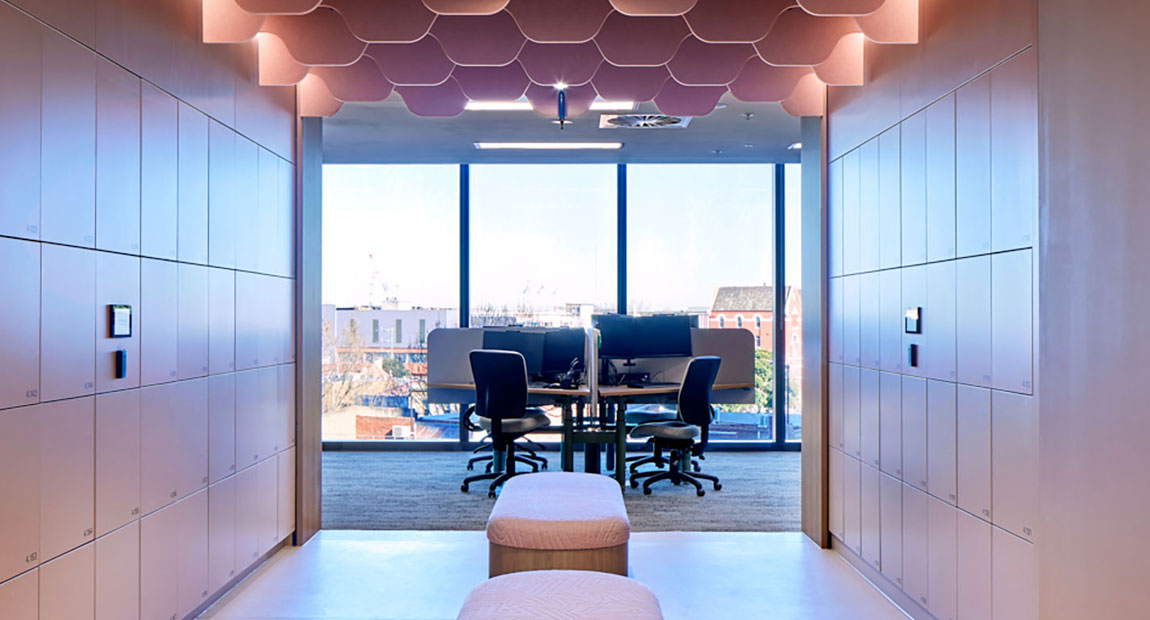
Workplace Lockers
Designed for flexible workplaces
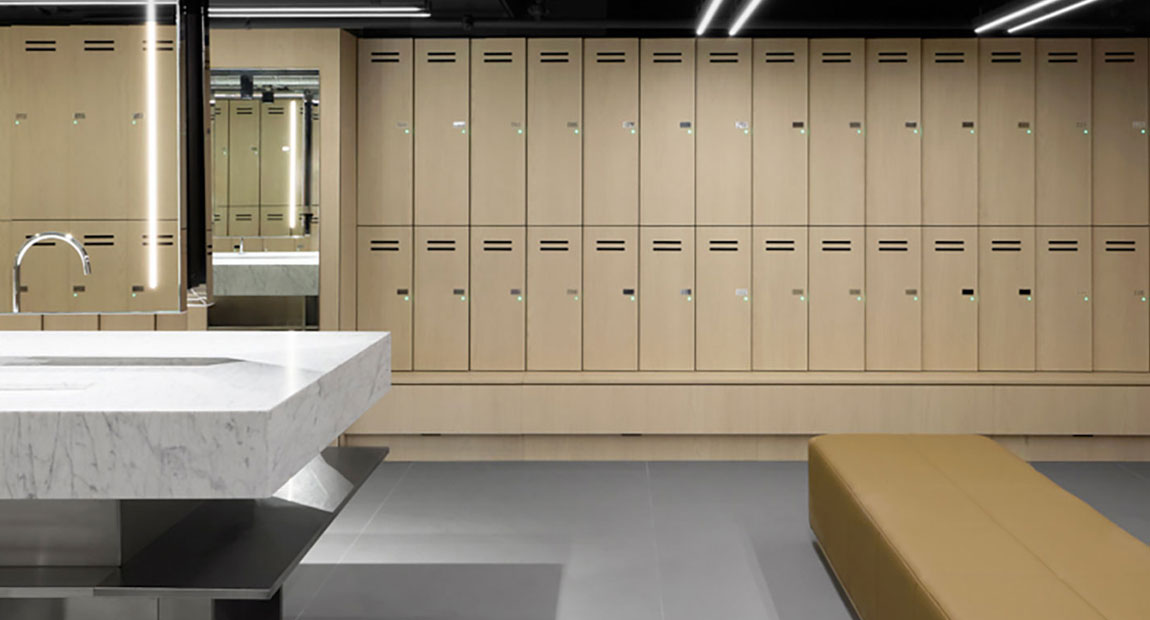
End-of-trip Lockers
Designed for daily commuter use
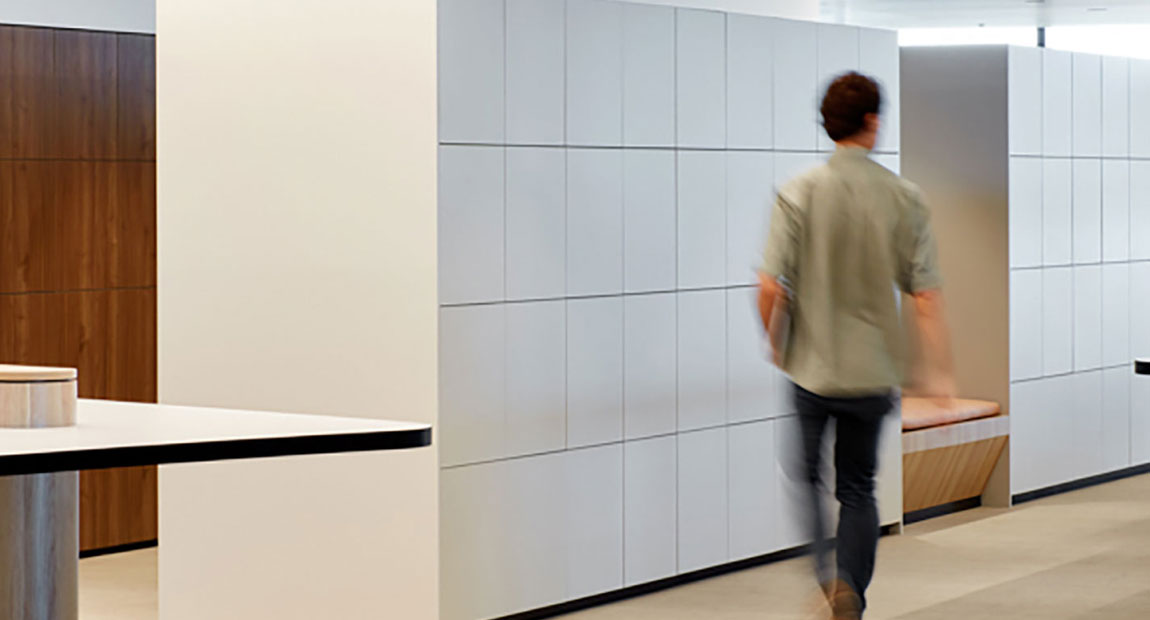
Workplace Lockers
Designed for flexible workspaces
End-of-trip Lockers
Designed for daily commuter use
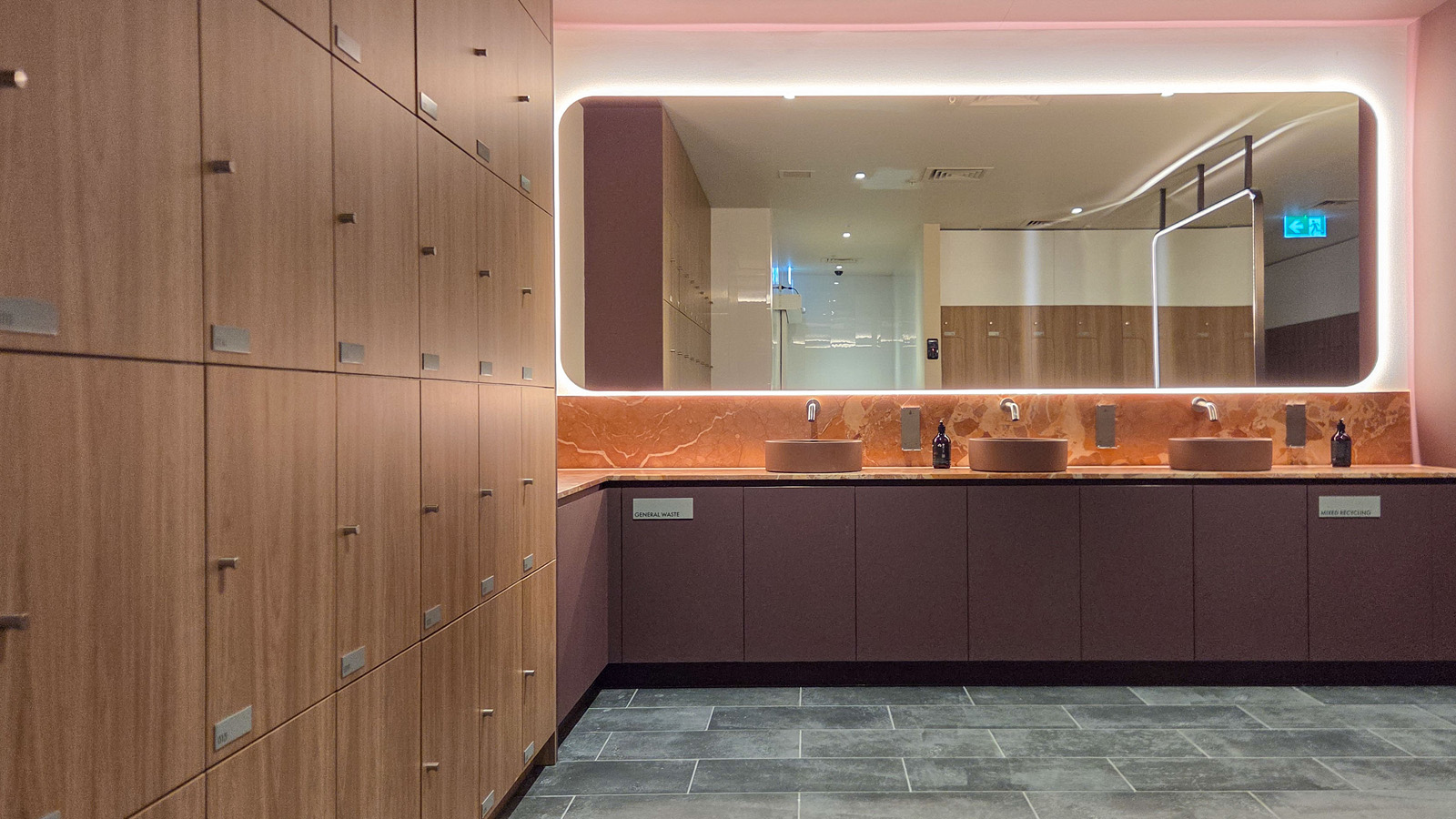
Workplace Lockers
Designed for flexible workspaces
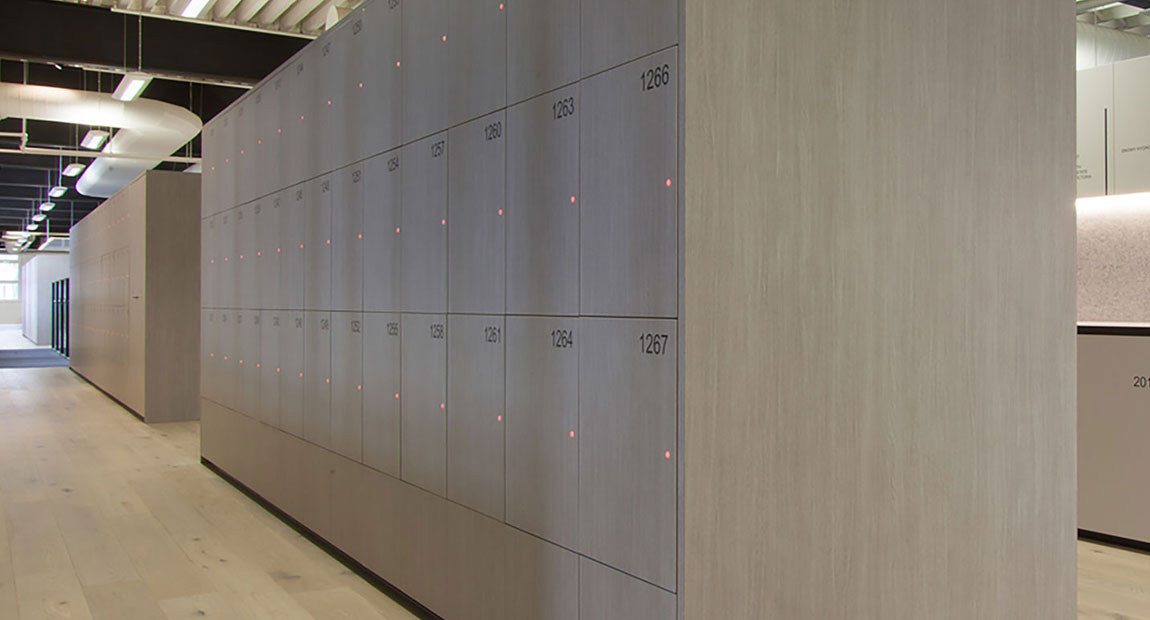
Workplace Lockers
Designed for flexible workspaces
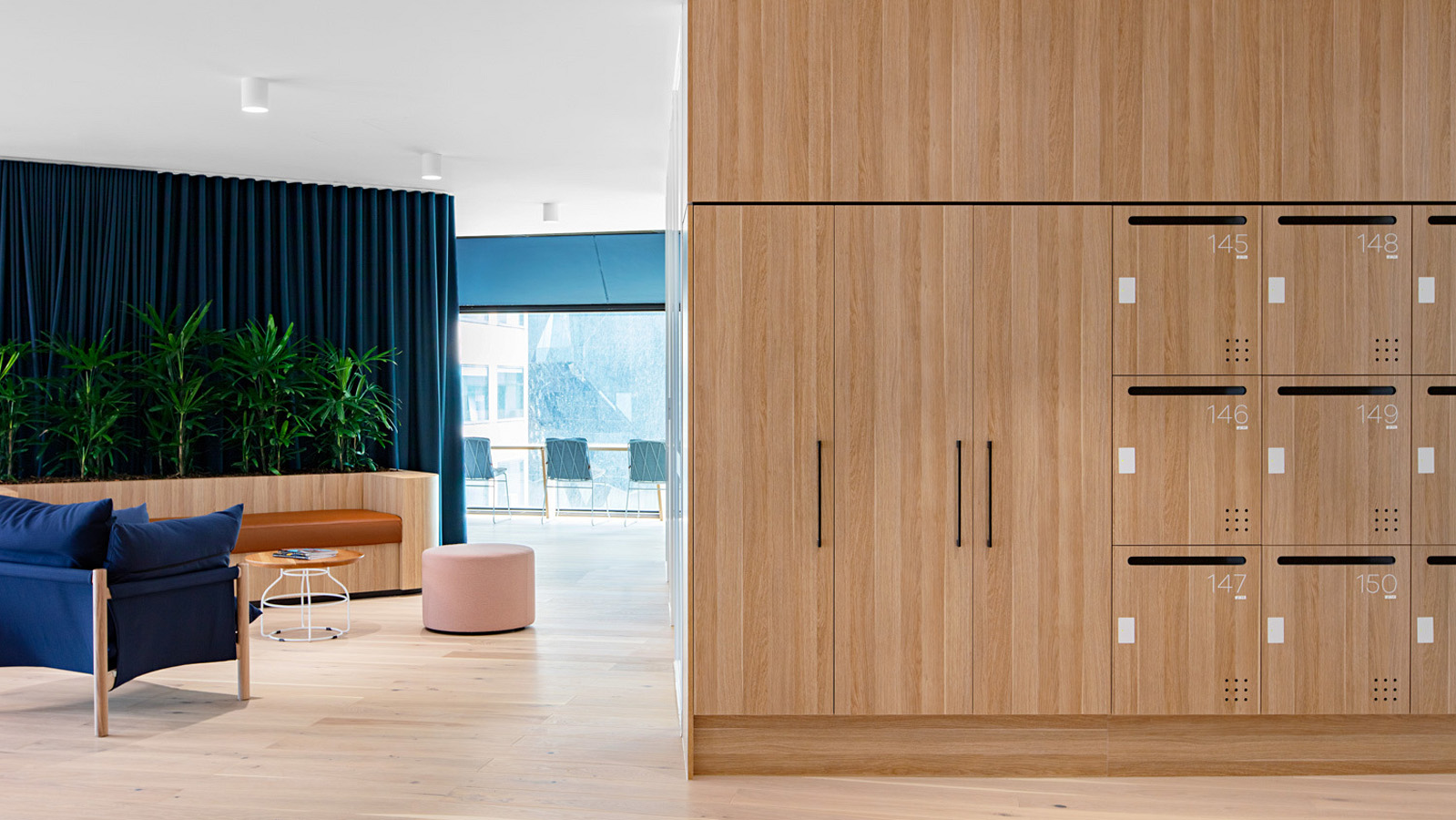
Workplace Lockers
Designed for flexible workspaces
End-of-trip Lockers
Designed for daily commuter use
Workplace Lockers
Designed for flexible workspaces
End-of-trip Lockers
Designed for daily commuter use
Workplace Lockers
Designed for flexible workspaces
Workplace Lockers
Designed for flexible workspaces
Lock systems
Lockin lockers can be configured with mechanical, digital, RFID and integrated lock systems selected around user access, operational workflows and long-term facility management requirements.
Lock systems that fit operational suitability
Lockin lockers can be configured with mechanical, digital, RFID and hardwired locking systems selected around the operational, security and user requirements of each project
Shared &
assigned use
Lock systems can support both assigned-user and shared-use environments, helping facilities manage changing occupancy, visitor access and daily locker turnover.
Mechanical, digital
& RFID access
Lockers can be configured with key, mechanical combination, digital keypad, RFID and smart lock systems selected around the operational, durability and management requirements of each environment.
Integrated
access systems
Selected locking systems can integrate with existing building access credentials, helping streamline user experience across workplace and education environments.
Configured for your
environment
Lock systems are selected around project requirements including security, moisture exposure, user turnover, maintenance needs and operational workflows.
Locker user profiles
Lock systems are typically selected around user behaviour, operational workflows, security requirements and facility management considerations.
Quick comparison: Lock user profiles
Profile
Assigned-use settings
Shared-use settings
Locker allocation
Assigned-use: Permanently allocated lockers
Shared-use: Temporary or rotating locker allocation
User profiles
Assigned-use: Employees, students, teams or long-term users
Shared-use: Temporary, rotating or short-term users
Occupancy pattern
Assigned-use: Consistent, long-term locker assignment
Shared-use: Daily reassignment & reset
Administration
Assigned-use: Lower daily administration
Shared-use: Higher turnover management
Lock systems
Assigned-use: Typically mechanical, keypad or assigned RFID systems
Shared-use: Often shared-use digital or RFID systems
Operational priority
Assigned-use: Familiarity and consistency prioritised
Shared-use: Flexibility and turnover efficiency prioritised
Lock management considerations
Lock systems are typically selected not only around user access, but also around how lockers are administered, maintained and managed over time within the wider facility environment.
Override &
emergency access
Facilities teams may require the ability to open lockers for emergency access, lost credentials, cleaning, inspection or locker reassignment. Override access methods can vary between mechanical, digital and RFID systems.
Credential &
user management
Shared and assigned-use environments often require different approaches to credential management, including user onboarding, reassignment, temporary access and visitor management.
Battery &
servicing access
Battery-powered systems should support practical servicing access and maintenance planning, particularly across larger locker installations or high-frequency-use environments.
Integration with
building access
Selected lock systems can integrate with existing staff, student or building access credentials, helping reduce separate key or access card management across the facility.
Shared-use
reset workflows
Shared-use environments may require lockers to support temporary allocation, daily reset workflows or automatic release processes to help manage changing occupancy and user turnover.
Wet-area & durability
considerations
Aquatic, end-of-trip and high-moisture environments may require locking systems selected around durability, corrosion resistance and ongoing maintenance accessibility
System
administration
Selected digital and RFID systems can support credential management, locker activity visibility and administrative oversight across larger or shared- use environments.
Lock access
considerations
Lock systems can also be selected around accessibility, ease of use, reach ranges and inclusive facility operation, with accessible lock options commonly integrated within standard locker environments across workplace, education, aquatic and public-use projects.
Common lock system applications
The most suitable lock systems are usually determined by how spaces are used, managed and maintained over time within the wider facility environment.
Quick guide: Lock application settings
Environment
Common operation approach
Typical system direction
Workplace
Common operation approach: Assigned-use lockers supporting permanent staff allocation and integrated building access credentials.
Typical system direction: Assigned-use lockers supporting permanent staff allocation and integrated building access credentials. Accessible lock options may also be incorporated to support inclusive workplace environments.
End-of-trip facilities
Common operation approach: Shared-use environments with changing daily occupancy, temporary allocation and higher turnover management.
Typical system direction: Shared-use mechanical combination, digital or RFID systems. Accessible lock options may also be incorporated to support inclusive end-of-trip facilities
Education
Common operation approach: Assigned-use storage supporting long-term student or staff allocation with simple day-to-day operation.
Typical system direction: Key, mechanical combination or RFID systems.
Change-room
Common operation approach: Mostly shared-use environments supporting changing daily occupancy, temporary allocation and higher turnover management.
Typical system direction: Shared-use mechanical combination, digital or RFID systems, with dedicated-use key systems also common in employee environments.
Elite sports & teams
Common operation approach: Dedicated-use locker allocation supporting team operations, player assignment and integrated access management.
Typical system direction: Assigned RFID, keypad or integrated digital systems.
Public facilities
Common operation approach: Temporary-use environments supporting changing users, simplified access workflows and short-duration occupancy.
Typical system direction: Shared-use digital or managed access systems. Accessible lock options are often incorporated within public and shared-use environments to support inclusive facility access.
Aquatic & leisure
Common operation approach: High-moisture shared-use environments requiring durability, simplified turnover management and ongoing maintenance accessibility.
Typical system direction: Wet-area digital or shared-use RFID systems. Accessible lock options are often incorporated within public and shared-use environments to support inclusive facility access.
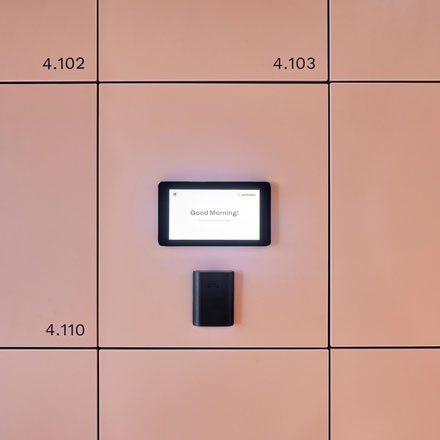
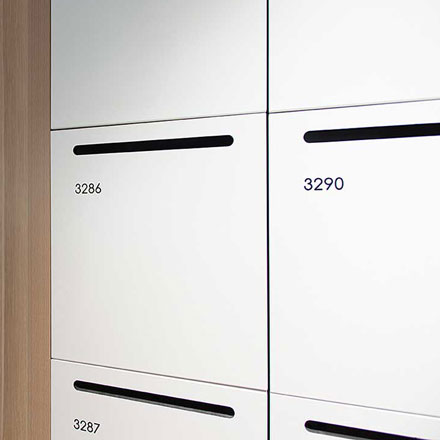
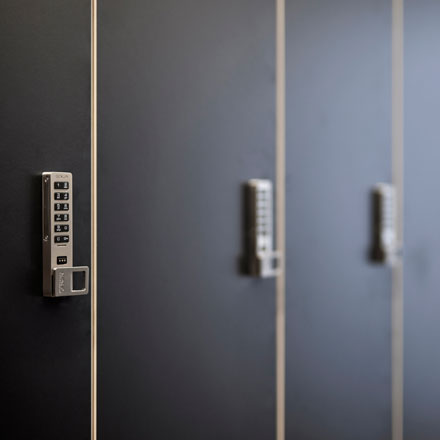
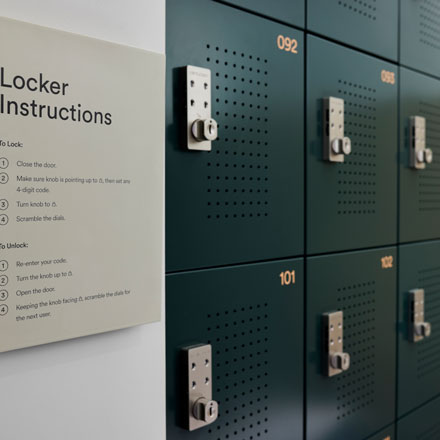
Locker systems delivered across workplace, education, end-of-trip and public-use environments applying different lock systems.
Projects designed by





Discuss what lock system fits best with your project
Our project management team regularly works with architects, designers and builders to review layouts, locker configurations and specification details early in the project process.